

Two infrastructures, one shortage
Traditional data centres and AI-ready, liquid-cooled facilities draw on different talent pools. Both are short, and the gap is widest at the top.
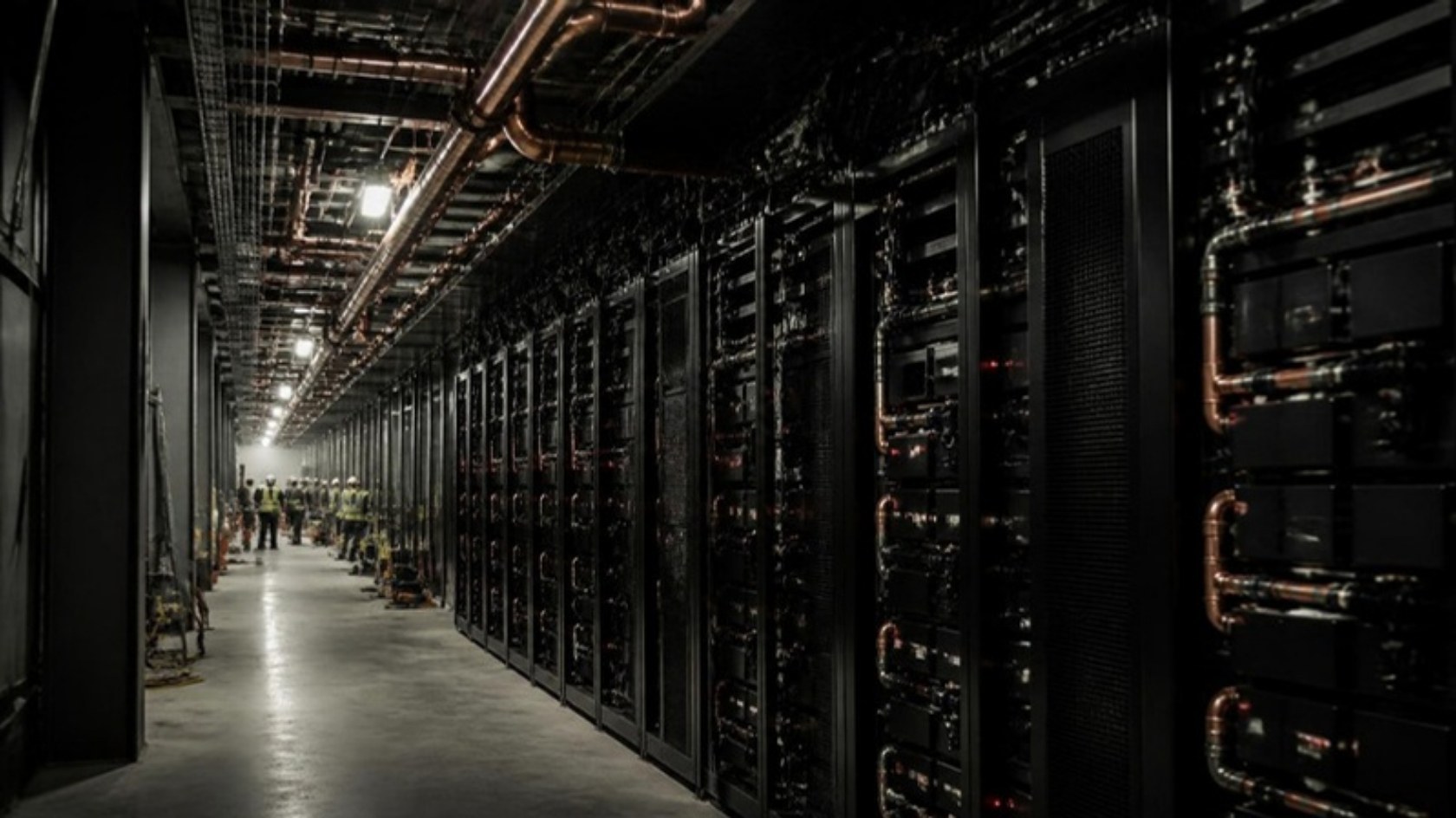
Money is not what holds back the data centre build-out. McKinsey estimates the world needs around $6.7 trillion of investment in AI and traditional data centre capacity through 2030, and the capital is arriving. Three things slow it down instead: access to the grid, the consent of the communities that host new campuses, and people. Power and permitting are problems for utilities, regulators and developers. The third is ours: the engineers, project leaders and operators who turn capital into capacity, and the executives who run the businesses around it.
The Uptime Institute has estimated that the industry needs around 2.3 million full-time staff worldwide, up from roughly 2 million in 2019. In its annual surveys, around two in three operators report difficulty hiring or retaining qualified people, and the gap is widening as AI campuses multiply.
The traditional pipeline is still short
The conventional data centre workforce has been decades in the making, across MEP engineering, critical facilities and operations. It is still short of people as the build-out accelerates, and specialist positions take months to fill. Critical facilities engineering roles are among the slowest.
The AI pipeline barely exists
AI infrastructure adds a second shortage on top of the first. Goldman Sachs expects around 76% of AI server deployments to be liquid cooled in 2026, up from about 15% in 2024. That is a technology shift in two years, with no dedicated training pipeline behind it.
Liquid cooling and direct-to-chip specialists are mostly drawn from adjacent mechanical and HVAC backgrounds and retrained on the job. The same is true of the leaders now running GPU clusters, many of whom built their careers in traditional facilities or cloud operations.
Two shortages. One market competing for the same scarce leaders.
Why the gap is widest at the top
Most of the shortfall sits in trades and technicians, but the hardest roles to fill are senior. Director-level and above is a small share of the workforce, yet every programme needs a handful of people who have delivered at hyperscale before, and there are few of them.
New entrants make it harder. Telecommunications operators building sovereign AI capacity, neoclouds standing up GPU services and infrastructure funds backing new platforms are all hiring from the same pool as the hyperscalers and established operators.
What this means for hiring
- Start earlier. Senior hires for a new campus need to begin before the site is secured, not once construction starts.
- Search globally. The people who have done it before are concentrated in a few hubs. Budget for relocation.
- Hire for adjacency. For AI and liquid-cooled roles, the best candidate may come from a neighbouring discipline.
- Build the business layer too. Sales, finance and product leaders who understand infrastructure are as scarce as the engineers.
Sources: McKinsey 2025; Uptime Institute Global Data Center Survey 2025; Uptime Institute workforce estimates; Goldman Sachs 2025.